
Luxor Temple: History, Opet Festival & Visit Guide
Luxor Temple brings the ceremonial life of ancient Thebes into the heart of the modern city. Its courtyards, royal statues and great columns make it a memorable place to explore how architecture, religion and kingship came together. The temple becomes even more meaningful when you understand its connection with Karnak and the Opet Festival.
This guide from New Belquis Tours explains the history, the main features and the choices to consider when planning your visit to Luxor’s East Bank.
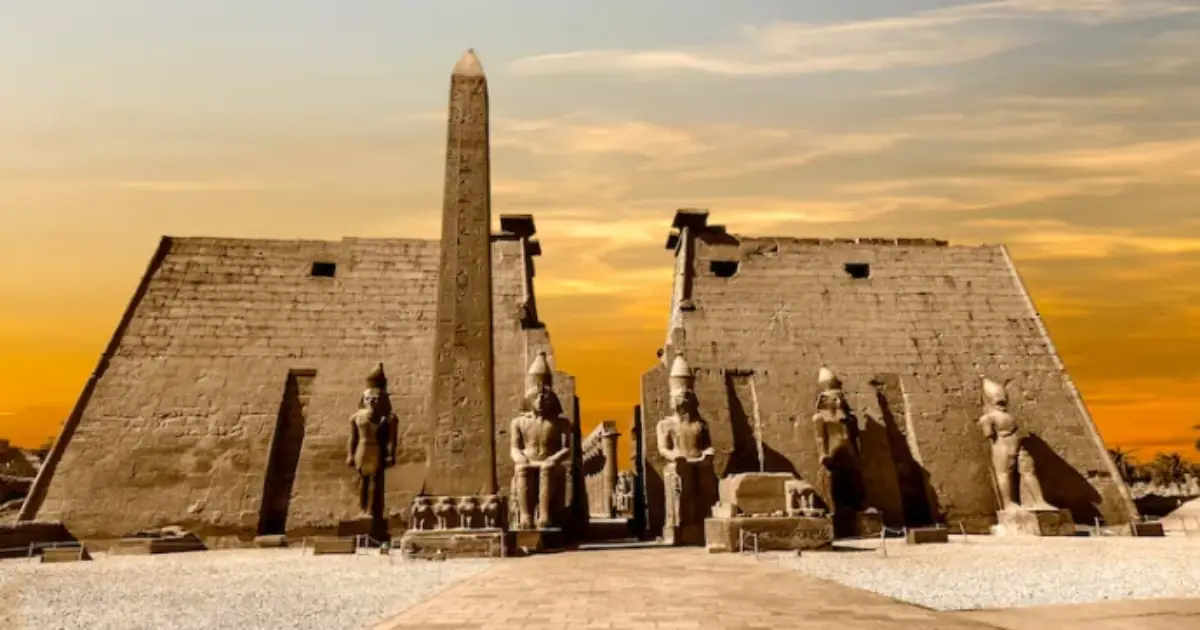
Luxor Temple History: Built Across Several Reigns
The temple known to the ancient Egyptians as Ipet-resyt, the Southern Sanctuary, developed under more than one ruler. Amenhotep III built its central core, while Ramesses II added an imposing entrance and courtyard. The surviving complex lets you see how successive rulers adapted an important sacred setting.
That is a useful starting point for your visit. Instead of looking for one construction date that explains everything, ask which part of the site you are standing in and what its builder wanted to communicate. The changes between courts and columned spaces help reveal those different contributions.
Luxor Temple Highlights: What to Look For
The Entrance, Statues and Obelisk
The entrance associated with Ramesses II provides a dramatic introduction. One of the original pair of obelisks remains at the temple; its partner stands in the Place de la Concorde in Paris. The contrast between the standing monument and the missing counterpart gives you a useful detail to discuss before moving inside.
The Great Colonnade
Amenhotep III’s Great Colonnade has two rows of seven enormous columns. Its decoration includes scenes connected with the Opet Festival, completed under later kings. Pause here to consider both the scale of the architecture and the stories carried by the carved surfaces.
Later Historical Layers
The site continued to change after the pharaonic period. Roman military and religious use, later Christian adaptations and the Mosque of Abu al-Haggag form part of its layered history. Treat these as chapters in a continuing place, rather than distractions from the ancient temple.
The Opet Festival and the Road to Karnak
The Opet Festival linked Luxor Temple with Karnak. Divine images travelled in procession between the sacred centres, giving the route and the destination a ceremonial importance. The avenue lined with sphinxes helps make this relationship easier to imagine.
When you visit, consider how a procession would have changed the experience of the city: the movement of people, the importance of the sacred images and the anticipation of arriving at the temple. Understanding that relationship can make the courtyards feel more like spaces created for a purpose than a collection of attractive ruins.
Our separate Karnak Temple guide introduces the other major sacred complex in this story.
Visiting in Daylight or After Dark
A daylight visit lets you examine the architecture and carvings in natural light. An evening visit, when available under current opening arrangements, offers the different atmosphere of the illuminated temple. Neither choice replaces the value of a clear explanation of the site.
Choose according to your itinerary and interests. If you want detailed photographs of particular surfaces, discuss the light and route with your guide. If atmosphere is your priority, consider how an evening visit fits your dinner and transport plans. Always confirm current opening and last-entry arrangements rather than relying on old schedules.
Luxor Temple or Karnak: How to Plan Both
These are two separate sites on the East Bank. Karnak is an extensive complex of sacred spaces; Luxor Temple is a different visit with its own courtyards, colonnade and historical layers. Seeing one does not make the other unnecessary.
For a balanced day, discuss the order of visits, entry arrangements, transport and breaks before setting out. Avoid assuming that a single admission automatically covers every connected monument or route. The temples can be considered within the wider UNESCO property of Ancient Thebes with its Necropolis, listed in 1979.
Practical Tips for a Rewarding Visit
- Keep time for explanation. As an itinerary suggestion, allow a relaxed sightseeing session rather than only an exterior photograph.
- Choose comfortable shoes. Ask about surfaces, steps and accessible routes if these affect your plans.
- Prepare for the weather. Bring water and sun protection for an outdoor visit.
- Follow the visitor route. Respect barriers, conservation work and the site team’s directions.
- Check photography instructions. Rules for equipment and different areas may vary.
- Make return transport clear. Agree on your meeting point, particularly if visiting later in the day.
If your holiday includes a Nile journey, make sure the temple visit fits your cruise schedule. Our Dahabiya vs Nile cruise guide can help you compare travel styles. For another chapter in Ramesses II’s architectural legacy, explore Abu Simbel and its sun alignment.
Luxor Temple: Frequently Asked Questions
Who built Luxor Temple?
Several rulers contributed. Amenhotep III created its central core, and Ramesses II made major additions.
Why is only one obelisk standing at the entrance?
Its counterpart was moved to Paris and stands in the Place de la Concorde. The remaining obelisk is part of the temple’s entrance setting.
How is Luxor Temple connected with Karnak?
The sites were linked by a processional avenue and the ceremonies of the Opet Festival. Our Karnak guide explains the wider complex at the other end of that relationship.
Can I visit after dark?
Evening visits can offer views of the illuminated temple. Confirm current opening and last-entry arrangements for your chosen date.
Plan Your Luxor Visit with New Belquis Tours
Share your Luxor plans with New Belquis Tours, including whether you prefer a daytime temple visit or an evening atmosphere. We can help you consider the temples within a comfortable cultural itinerary. Explore more ideas in our Egypt travel blog.