
Saladin Citadel in Cairo: History, Mosques & Visit Guide
The Saladin Citadel rises above Cairo as a place where defensive walls, places of worship and centuries of political history meet. Also known as the Cairo Citadel or Salah al-Din Citadel, it rewards visitors who look beyond its familiar skyline. The Muhammad Ali Mosque is a major highlight, but the fortress’s story began long before that mosque was built.
This guide from New Belquis Tours explains the historical layers, what to look for and how to plan an enjoyable cultural visit.
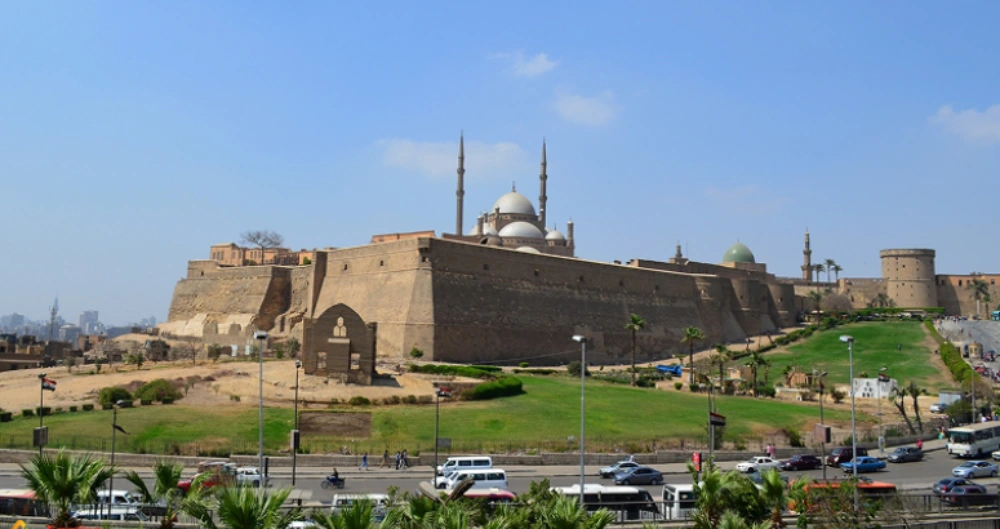
Saladin Citadel History: A Fortress Above Cairo
Salah al-Din al-Ayyubi, known in English as Saladin, ordered construction of the fortress in 1176. Its position on the Muqattam Hills offered a strong defensive setting and wide views over Cairo. The complex developed under later rulers and became a centre of government for centuries, before the official residence moved to Abdeen Palace in the nineteenth century.
Understanding that long development helps you read the site. The citadel is not the product of a single building campaign. Ask your guide to distinguish its medieval beginnings from later additions, and think about how rulers used architecture to express authority.
The Muhammad Ali Mosque: A Later Landmark
The Mosque of Muhammad Ali belongs to a much later chapter of the citadel. Its construction began in 1830, centuries after Saladin’s lifetime. The building is often called the Alabaster Mosque and is known for its prominent dome and slender minarets.
Inside, the arrangement of the prayer space and its domes offers a different experience from the open courtyards outside. Pause to notice the relationship between the central dome, surrounding spaces and decoration. The courtyard is another place to slow down and appreciate the composition of the building.
The distinction between fortress and mosque is important: Saladin founded the citadel, while Muhammad Ali commissioned the famous mosque within it. Learning that difference makes the visit more meaningful than treating the whole site as one monument from one period.
Look Beyond the Most Famous Mosque
The citadel also includes monuments associated with other periods, including the Mosque of al-Nasir Muhammad and the Sulayman Pasha Mosque. Their presence is a reminder that the hilltop complex developed through successive generations.
Before your visit, ask which areas and museums are open and how they fit your interests. Do not assume that every room or museum within the wider complex is included in a particular ticket or accessible on the same schedule.
Views Over the City
The elevated setting gives you a chance to understand Cairo as a landscape. When visibility allows, take time to look across the city rather than rushing straight to your next stop. Consider how the citadel’s position relates to its original defensive role and later status as a seat of power.
Saladin Citadel and Qaitbay Citadel: Two Different Visits
The Qaitbay Citadel in Alexandria is a separate fortress beside the Mediterranean. The Cairo citadel occupies a hilltop setting and has a different history. Use the full name and city when making arrangements, especially if your Egypt trip includes both destinations.
Seeing both can be interesting for travellers who enjoy architecture: one visit encourages you to think about a city viewed from above, while the other places defensive design beside the sea. Build the comparison into your travel story without trying to fit two distant destinations into one rushed day.
Practical Tips for Your Cairo Citadel Visit
- Choose a comfortable pace. As a planning suggestion, allow a few hours if you want time for the mosque, views and historical context.
- Dress for the setting. Wear clothing suitable for visiting places of worship and follow current instructions about shoes and any required coverings.
- Prepare for walking. Bring comfortable footwear and ask about steps, slopes and accessible routes if these affect your plans.
- Think about the weather. Allow for sun in open areas and plan water and breaks around your visit.
- Confirm entry arrangements. Check current admission, open areas and any restrictions before travelling.
- Keep photography respectful. Follow the signs and avoid interrupting worship or other visitors.
Building a Balanced Cairo Itinerary
The citadel can be a strong focal point for a day exploring Islamic Cairo. Agree on a realistic route and leave room for traffic, lunch and time to absorb each stop. A useful itinerary has a clear theme and a manageable number of visits.
On other days, the Grand Egyptian Museum and Egyptian Civilization Museum provide different ways to explore the country’s heritage. Our cultural experiences in Egypt guide helps connect monuments with living traditions.
Saladin Citadel: Frequently Asked Questions
Is the Cairo Citadel the same as the Saladin Citadel?
Yes. Cairo Citadel, Saladin Citadel and Salah al-Din Citadel are common names for the same historic complex.
Did Saladin build the Muhammad Ali Mosque?
No. The mosque was commissioned by Muhammad Ali in the nineteenth century, long after the citadel’s medieval foundation.
Is the visit suitable if I want to avoid stairs?
Discuss your needs before booking and check the current accessible routes. Different areas of the complex may involve different surfaces or changes in level.
Should I check mosque visiting rules?
Yes. Follow current site instructions for clothing, footwear, photography and behaviour in places of worship.
Explore Historic Cairo with New Belquis Tours
Plan your Cairo sightseeing with New Belquis Tours. Share your interests, mobility needs and preferred pace so the citadel can fit naturally into your holiday. Browse our Egypt travel blog for more destination guides.